Post Office Schemes KVP, SCSS & MIS - Interest Rates, Eligibility & Kaise Kholein
Post Office Schemes KVP, SCSS & MIS - Interest Rates, Eligibility & Kaise Kholein ka source-first official guide Hinglish mein: current process, verification steps, safety points aur official source.
Last Updated: 07 October 2026
Post Office Schemes KVP, SCSS & MIS - Interest Rates, Eligibility & Kaise Kholein: Official Guide
Post Office Schemes KVP, SCSS & MIS - Interest Rates, Eligibility & Kaise Kholein ke liye safest approach hai ki concerned government authority ke official portal ko primary source maana jaye. Online service, application, correction, status, documents, fee aur processing instructions portal par time ke saath update ho sakti hain. For related details, see Post Office MIS vs PPF – Interest Rate & Tax Benefit Comparison (Complete Guide).
Is JobGati guide mein unsupported fee, deadline, guaranteed approval, salary ya processing-time claims intentionally avoid kiye gaye hain. Jahan exact current detail zaroori hai, reader ko official source par verify karne ke liye direct kiya gaya hai.
📌 Quick Overview
| Topic | Post Office Schemes KVP, SCSS & MIS - Interest Rates, Eligibility & Kaise Kholein |
| Authority | Income Tax Department |
| Official Source | https://www.incometax.gov.in/ |
| Important | Current process, documents, fee, eligibility aur status instructions official portal se verify karein. |
📝 Online Process Kaise Follow Karein?
Step 1: Official Website Open Karein
Official domain ko carefully check karein. Government service ke naam par third-party websites bhi ho sakti hain. OTP, password, Aadhaar, PAN, bank details ya payment information unknown website par share na karein.
Step 2: Relevant Service Search Karein
Portal ke Services, Citizen Services, Application, Status, Help, FAQ, Notification ya similar section mein exact service identify karein.
Step 3: Eligibility Aur Documents Check Karein
Required documents applicant aur service ke according change ho sakte hain. Current official checklist ko follow karein aur old screenshots ya random blogs par depend na karein.
Step 4: Form Carefully Fill Karein
Name, date of birth, mobile number, address, application/reference number aur other details official record ke according enter karein. Submit karne se pehle preview/review option available ho to use karein.
Step 5: Fee Aur Payment Verify Karein
Applicable fee service aur applicant category ke according ho sakti hai. Payment se pehle official portal par current amount aur payment method confirm karein.
Step 6: Status/Receipt Save Karein
Application submit hone ke baad acknowledgement, reference number, receipt ya transaction record save karein. Future status check ke liye wahi official reference use karein.
🔎 Official Source Verification
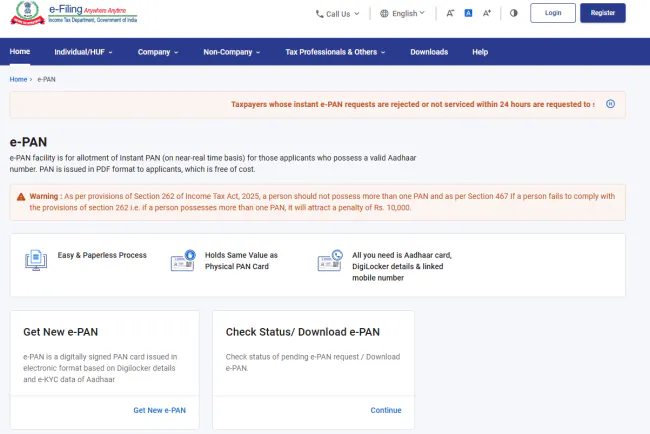
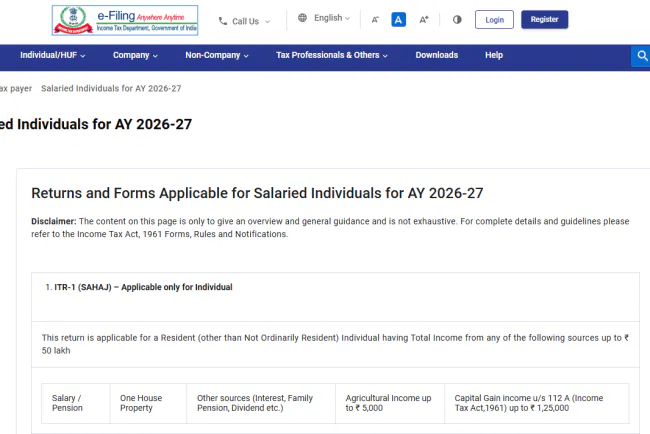
Income Tax Department ke e-Filing portal par e-Verify, e-Pay Tax, PAN services, Aadhaar-PAN linking, refund/status aur return-related services available hain. Current workflow ko portal ke latest help/manual page se confirm karein.
Is corrected version mein exact fee, deadline, processing time ya guaranteed approval jaise claims tabhi use kiye gaye hain jab official source se confirm karna possible ho. Otherwise reader ko current official page par verification ke liye direct kiya gaya hai.
⚠️ Safety Checklist
- Fake application links se bachein.
- OTP kisi person ke saath share na karein.
- Payment sirf official/authorised interface par karein.
- Submitted application ka reference safe rakhein.
- Current official instructions ko old information par priority dein.
💡 JobGati Pro Tip
Government service use karte waqt pehle official portal open karein, phir service identify karein, documents check karein aur final submission se pehle entered information review karein. Agar portal par error aaye to official helpdesk/FAQ use karein.
❓ Frequently Asked Questions
Kya third-party website se apply karna safe hai?
Jahan official service available ho, official portal ko preference dein.
Kya old fee ya deadline final hoti hai?
Nahi. Current official page/notification ko final reference banayein.
Application status kaise check karein?
Concerned authority ke official status facility par reference/application details se.
Agar process change ho jaye?
Latest official instruction follow karein.
🔗 Direct Official Source
✅ Final Takeaway
Post Office Schemes KVP, SCSS & MIS - Interest Rates, Eligibility & Kaise Kholein ke liye official authority ke portal ko primary source rakhein. Current eligibility, documents, fee, dates aur service availability ko action lene se pehle dobara verify karein. For related details, see Post Office FD vs Bank FD: Rate Comparison Guide.
Disclaimer: Government rules, fees, service availability aur procedures authority ke updates ke according change ho sakte hain.
📂 Documents Aur Records Safe Rakhein
Application/transaction complete hone ke baad acknowledgement, reference number, receipt aur relevant communication ko safe folder mein rakhein. Agar correction ya grievance ki zaroorat pade to ye details useful hoti hain.
📌 Official Information Hierarchy
Sabse pehle current official notification/order/service page dekhein. Uske baad official FAQ/help manual aur authorised support channel use karein. Third-party article ko explanation ke liye use kiya ja sakta hai, lekin final eligibility, fee, date ya rule ke liye official source ko priority dein.
For related details, see EPFO Office Locate Kaise Karein: Online Process.
What's Your Reaction?










Comments